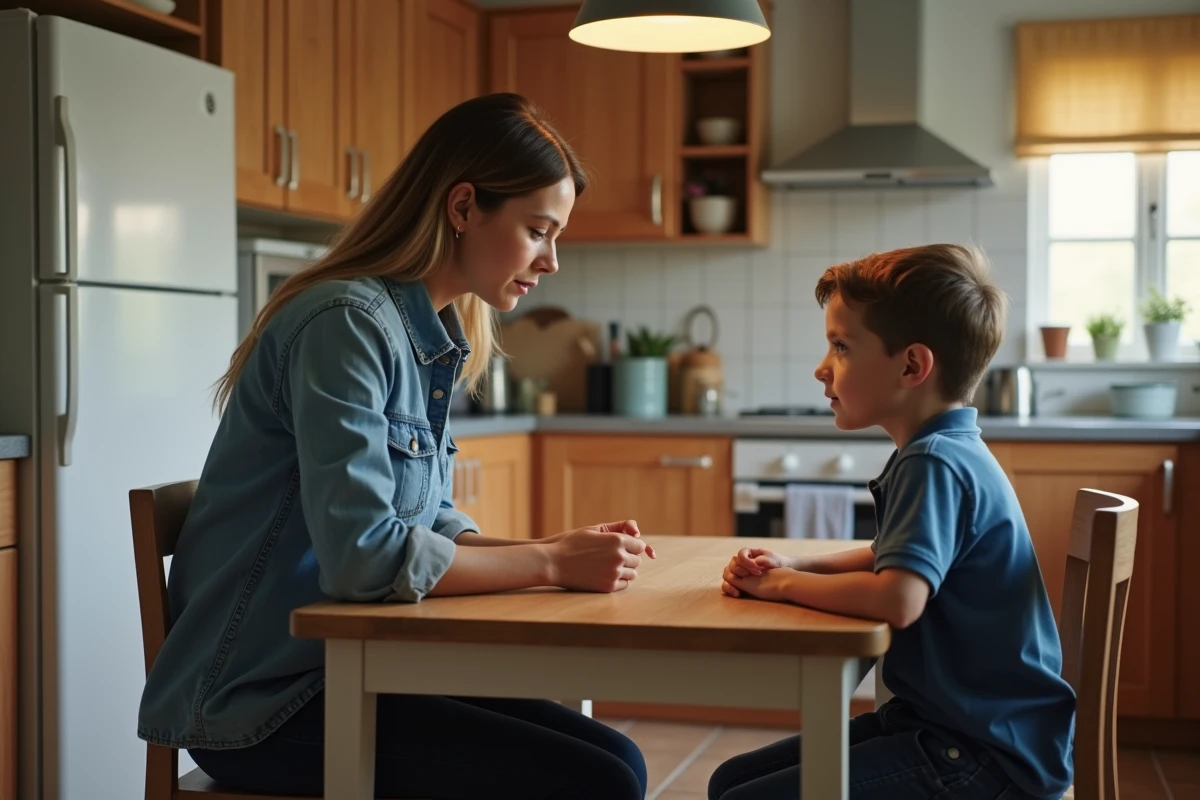
In France, the law prohibits the use of physical or psychological violence as an educational method. Yet, immediate punishment remains the preferred reaction in 60% of households, according to a study by UNAF. Child professionals observe that this practice persists despite the long-term failure of punitive measures on children’s behavior.
The line between punishment and repair continues to blur for many parents. In the face of academic difficulties, adolescents still too often find themselves confronted with inappropriate disciplinary methods that only reinforce their feelings of failure and hinder any hope of lasting change.
Punishment or Repair: What Neuroscience and Family Experience Reveal
Neuroscience continues to challenge educational certainties. The child’s brain is simply not programmed to benefit from fear or humiliation. When stress sets in, it blocks learning, intensifies impulsive reactions, undermines confidence, and fractures the foundation of mutual respect that should guide all discipline. Those who attempt repair discover another path: the child understands the impact of their actions, repairs their mistakes, and integrates better into the group dynamic.
Positive discipline, inspired by the work of Jane Nelsen, Alfred Adler, and Rudolf Dreikurs, relies on a simple observation: a child adheres better to rules that are explained and justified, especially if the logical consequence replaces arbitrary punishment. In this logic, correction and restorative punishment for children open the door to learning rooted in experience and a sense of belonging.
To better understand the difference between punishment and repair, here is what distinguishes these two approaches:
- Punitive punishment, often disconnected from the fault, generates frustration, resentment, and sometimes even distrust towards the adult.
- Repair, on the other hand, involves the child in an active process: it is about repairing, restoring trust, and participating in communal life.
Little by little, the family climate transforms. Parents report less frequent arguments, more open dialogue, and above all, a self-discipline that sprouts in their child. This is not a utopia: every day, families choose a coherent, respectful, structured discipline and find that the results follow.
Should Punishment Really Be Banned to Guide Children and Teens Towards Responsibility?
This question is no longer absent from schools, salons, or discussions among parents. Should we give up punishment to guide children and adolescents towards greater responsibility? Or does punishment still have a role to play in education? The debate remains open, but one thing is clear: increasingly, positive discipline and restorative justice are emerging as credible alternatives.
Experience shows that mechanically applied punishment does not provoke the expected awareness. On the contrary, it establishes a power dynamic and pushes the child towards defensiveness, resentment, or even withdrawal. Self-discipline cannot be improvised under duress. In contrast, repair, based on empathy and dialogue, transforms mistakes into opportunities to learn.
Here are two educational principles that guide reflection:
- A logical consequence directly follows the action taken and promotes the integration of the rule.
- Restorative justice encourages reflection on the impact of the act on others, engaging in repair, and feeling a sense of belonging to the group.
In this approach, mutual respect takes root more solidly. The adult no longer merely sets the framework; they become a true partner in learning through imitation. Research in gentle education, particularly by Jane Nelsen, points to a reality: for a child to develop lasting self-discipline, they must live and relive situations where they contribute to defining the rules.
Responsibility is not decreed. It is built in daily life when the child acknowledges their mistakes, repairs them, and experiences the trust of the adult. Punishment, deprivation, exclusion recedes in favor of a pedagogy that nurtures the sense of belonging and first seeks solutions.
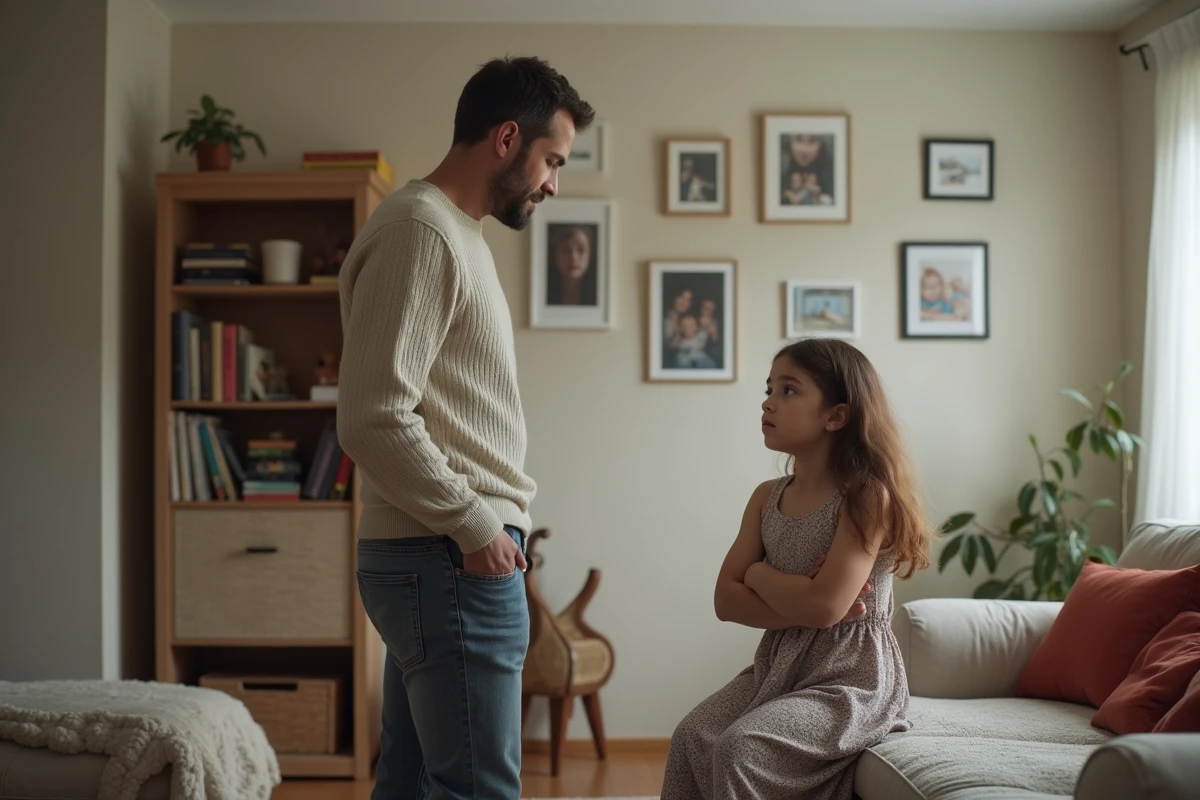
Concrete and Kind Strategies to Help Young People, Even Those Struggling Academically
In the face of educational challenges, the response is not limited to punishing or demanding abstract repair. To support children, especially those struggling in school, positive discipline offers educational tools that prioritize dialogue, empathy, and responsibility over simple punishment.
Implementing Effective Alternatives
Here are some concrete approaches that have proven effective with families and teachers:
- A repair wheel: this tool invites the child to imagine different ways to repair a wrong, while involving them in the resolution. Internal regulation progresses, and the child measures the impact of their choices.
- Non-violent communication: structuring exchanges, expressing feelings, naming needs, and seeking solutions together, this method strengthens the parent-child bond and diffuses many tensions.
The results are tangible. Once the search for solutions is organized in a group, whether in class or at home, the child is no longer isolated in their fault; they become an active participant in the repair. Child professionals also recommend adjusting work methods to academic difficulties to restore confidence and prevent failure from serving as an excuse for punishment.
Positive discipline invites a reimagining of the framework: setting clear rules, explaining them, and co-constructing logical consequences with the child. This approach paves the way for autonomy, while preserving family or school balance. For parents and educators, cooperation and mutual respect become solid anchors for guiding behaviors that go off track.
Changing the perspective on discipline means giving the child the opportunity to act, rather than just to endure. This is where the most lasting transformations are born.