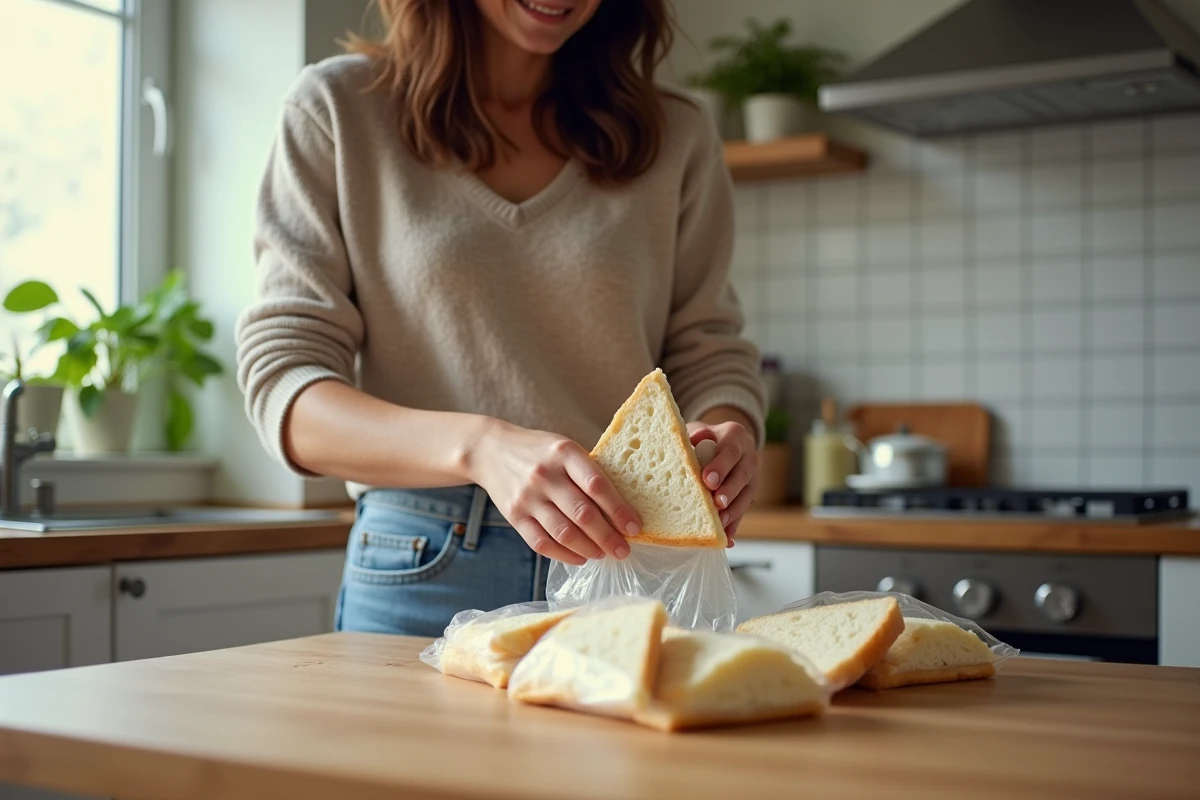
Bread doesn’t always conform to the rules of freezing: even classic tips can’t prevent moisture from migrating and softening the crumb, especially with certain ingredients. Tomatoes or lettuce, subjected to the cold, turn into a mushy mass, losing all structure, while ham or cheese fare better. Preparing triangle sandwiches in advance means accepting a balancing act where the slightest mistake can turn lunch into disappointment. However, a few precise adjustments are enough to maintain both the taste, practicality… and the desire to do it again.
Why freezing triangle sandwiches can really change your daily organization
Planning meals ahead saves time where days already seem too short. Preparing a batch of triangle sandwiches, freezing them, and taking them out throughout the week provides a safety net against the unexpected, without sacrificing the pleasure of eating. For those whose schedules are overflowing, this method limits reliance on industrial meals or ultra-processed solutions. You maintain control over the ingredients, freshness, and quality.
The freezer then becomes the ally of rushed mornings: a triangle sandwich slipped into an insulated bag or a lunch box ensures a guaranteed lunch. Airtight containers, appropriate packaging… These small details protect the texture of the bread and prevent finding a dried-out or soggy filling after thawing. No need to prepare each morning; meal routines become simpler and more flexible.
To go further, the guide how to freeze a sandwich easily (Can you freeze triangle sandwiches? Tips for advanced preparation – La Petite Casserole) outlines best practices for choosing the right packaging, avoiding contact with air, and ensuring the longevity of your homemade sandwiches. You’ll find specific advice to optimize each step.
By preparing in advance, you also limit waste. Unconsumed sandwiches from the week patiently wait their turn in the freezer, ready to be reintroduced into an improvised menu. This flexible organization allows you to adapt recipes to current cravings or juggle unexpected calendar changes, without stress or loss.
Which ingredients and packaging to prioritize for maximum freshness
Some ingredients withstand freezing without losing their appeal, while others do not. To avoid unpleasant surprises, it’s better to choose carefully.
Soft bread, especially with a dense crumb, withstands the cold better than airier breads. Opt for slices that are neither too thin nor too thick: they will absorb less moisture and maintain their structure upon thawing.
On the filling side, it’s best to focus on simplicity and avoid anything too moist. Here are some examples of ingredients that hold up well:
- Hard cheese
- Ham
- Roast chicken
- Grated carrots
Conversely, tomatoes or lettuce are likely to make the sandwich spongy after freezing. To limit moisture effects, slip a sheet of kraft paper or parchment paper between the filling and the bread: a simple gesture that makes a difference.
For packaging, think double protection. Start by wrapping each sandwich in kraft paper or aluminum foil, then place it in an airtight container or a suitable freezer bag. This packaging limits frost formation and preserves the texture of both the bread and the filling.
Don’t forget to expel as much air as possible and label each package with the preparation date. This vigilance will allow you to enjoy triangle sandwiches that are always tasty, even after several days in the cold.
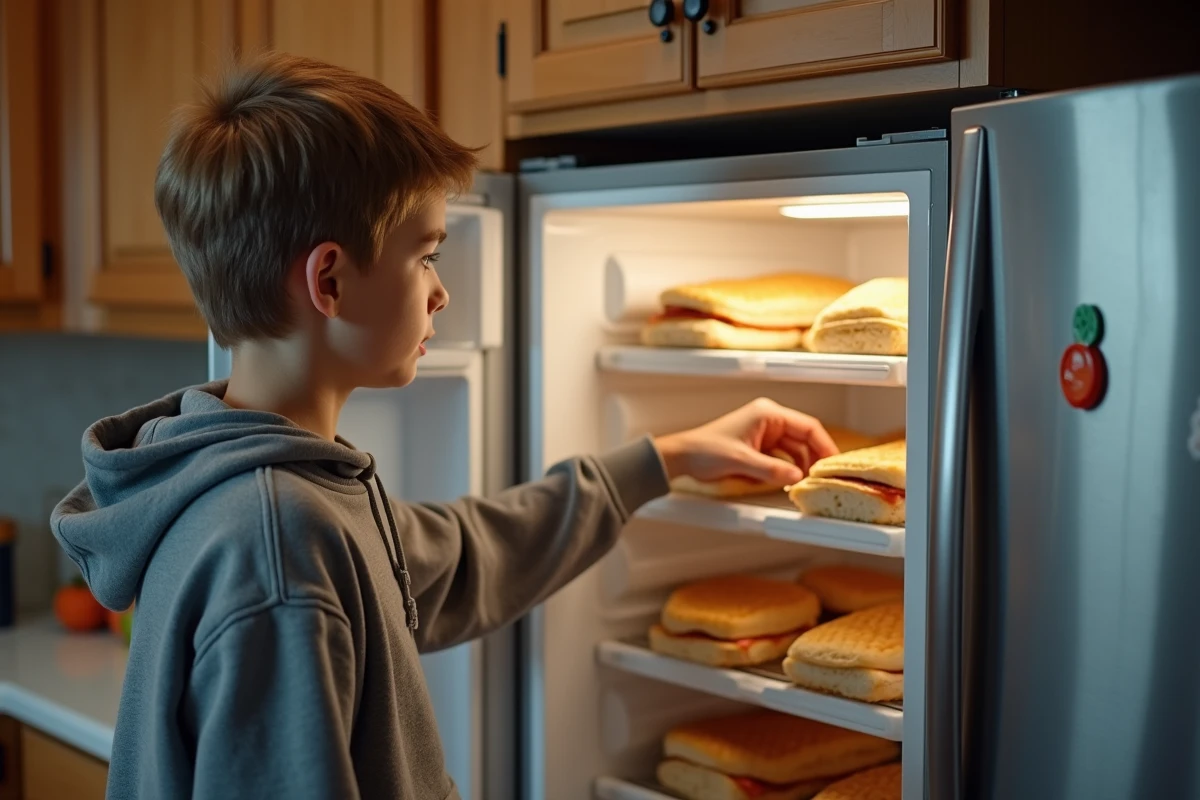
The key steps to prepare, freeze, and thaw your sandwiches without losing taste or texture
The success of a frozen triangle sandwich relies on a series of precise actions.
Start by selecting thick but soft slices of bread. For the filling, prioritize ingredients that hold their structure: ham, sliced chicken, hard cheese, grated carrots. It’s best to avoid mayonnaise or very moist raw vegetables, which alter the texture after thawing.
Assemble the sandwiches on a well-dried work surface. Carefully seal each triangle. For packaging, here’s how to proceed:
- Wrap each sandwich in a first layer of parchment paper or kraft paper
- Then place it in aluminum foil or directly into an airtight container
This double packaging protects freshness, limits moisture, and prevents frost. Then store the sandwiches flat in the freezer. Remember to note the manufacturing date: ideally, storage should not exceed one month for optimal results.
For tasting, take the sandwich out several hours in advance, allowing it to thaw naturally in its packaging, at room temperature or in the refrigerator. Don’t give in to the temptation of the microwave: the bread would lose its texture. The result is a sandwich as enjoyable as on the first day, ready to accompany all your days without compromising on taste or practicality.
Preparing in advance, organizing without complicating things, transforms the ordinary lunch into a rediscovered pleasure. It’s up to everyone to seize this new freedom in their daily lives.