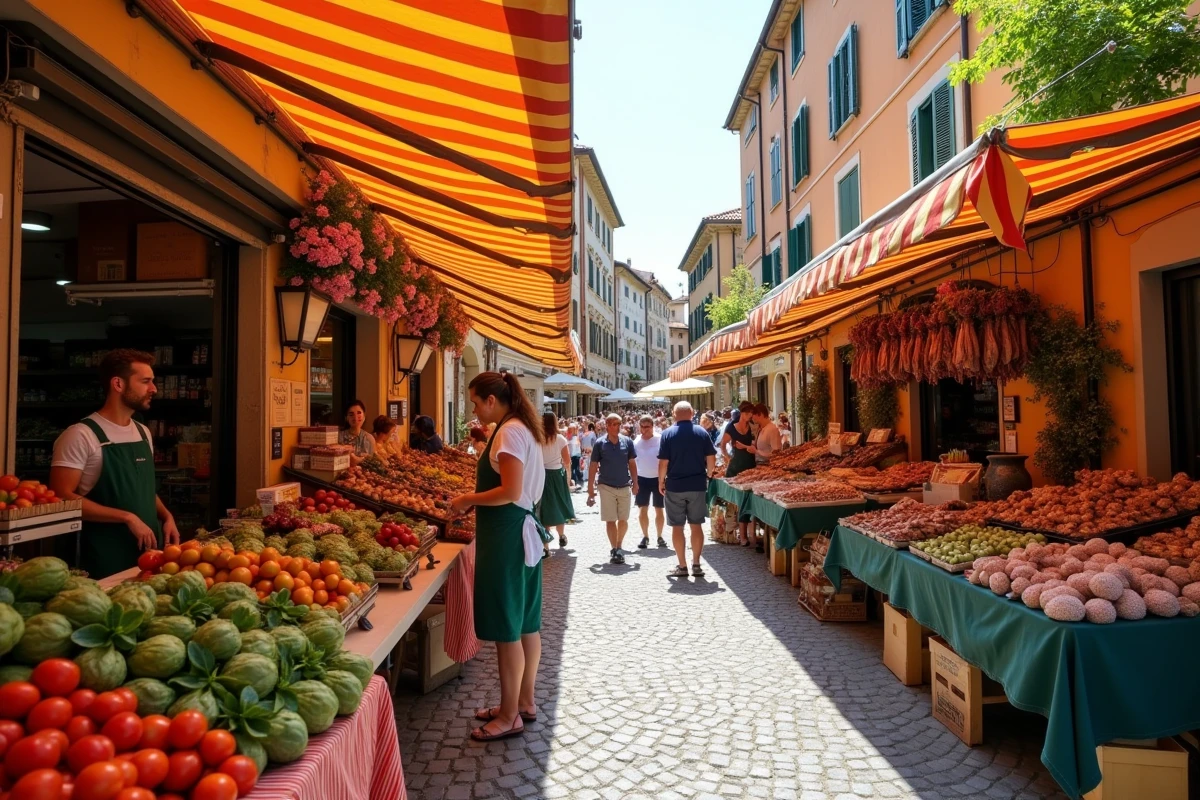
Bordighera is located a few kilometers from the French border, on the Riviera di Ponente. Its weekly Thursday morning market attracts local buyers and visitors from Menton, Ventimiglia, or Sanremo. Since January 2026, a regional decree (n° 45/2025) imposes a quota of local products on Ligurian stalls, set at at least 70% of locally sourced products. This regulatory framework redefines what is found on the stands and how producers organize their offerings.
Regional quota for local products: what the Ligurian decree of 2026 changes
Before this regulation, the share of imported products varied according to the coastal markets. In Bordighera, the proportion of local producers was already higher than average, but the decree formalizes a requirement that obliges each stall to document the origin of its goods.
For visitors, the change translates to more readable traceability. Labels now mention the municipality or valley of production. Taggiasca olives, citrus fruits from the hinterland, and mountain honey carry verifiable geographical indications.
Exploring the Bordighera market in Liguria, one can see that this obligation also encourages some resellers to establish direct partnerships with farms located in the Nervia and Roya valleys, rather than sourcing through wholesalers.
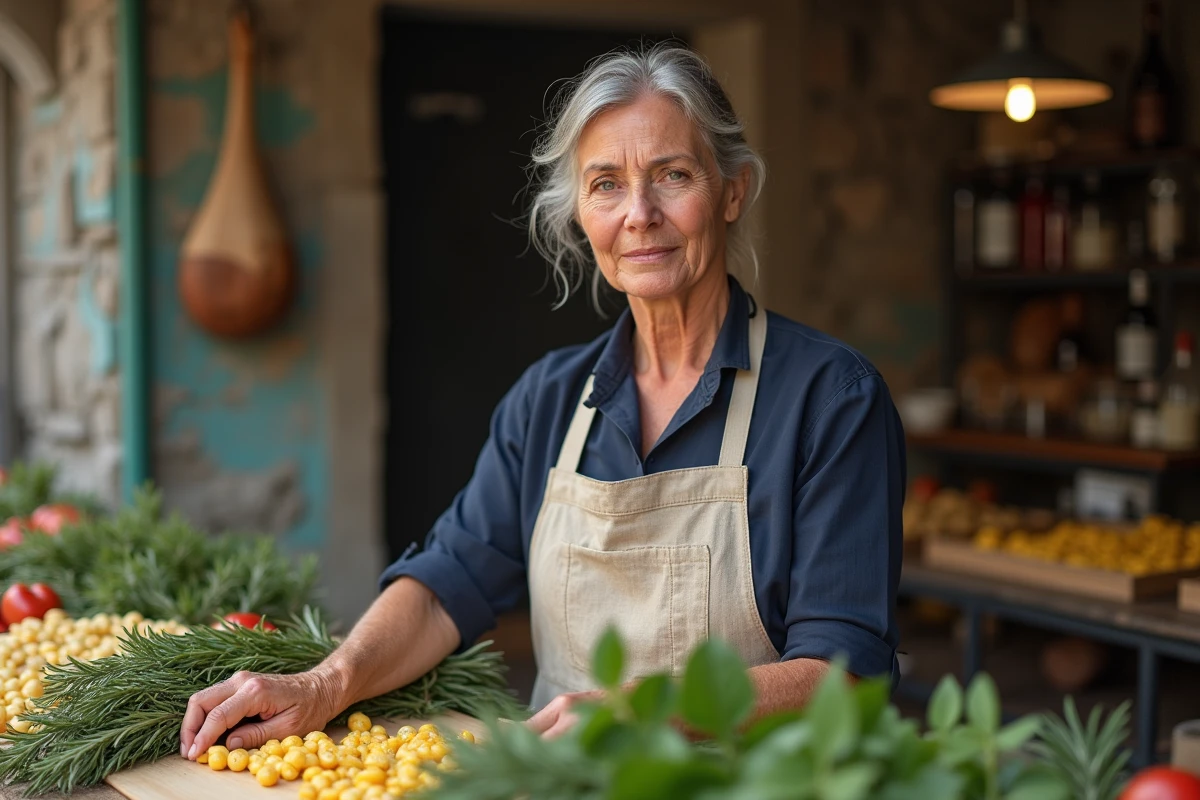
Taggiasca olives and drought: how Bordighera producers are adapting in 2026
Liguria is experiencing recurring drought episodes that directly affect terraced olive groves. Taggiasca olives, an emblematic variety from the Bordighera hinterland, are resilient by nature, but yields fluctuate from year to year depending on spring rainfall.
Several farmers present at the Thursday market are testing approaches to limit losses. Among the strategies observed on the ground:
- Installing drip micro-irrigation systems on terraced plots, where traditional gravity irrigation is no longer sufficient during dry months.
- Late pruning of olive trees to reduce evapotranspiration and concentrate sap on a smaller number of bearing branches.
- Using plant covers at the base of trees (mulching with pruning residues) to maintain soil moisture longer.
Field reports vary on the effectiveness of these methods depending on the altitude and exposure of the plots. Olive groves located above 300 meters seem to withstand better than those on the coastal edge, which are more exposed to direct sunlight.
The increase in Taggiasca olive sales reaches 25% on Thursday mornings, driven by a growing influx of French visitors. This sustained demand encourages producers to maintain their volumes despite climatic uncertainties.
Hinterland honey and beekeeping products: the niche that Sanremo does not cover
The Bordighera market stands out from that of Sanremo with a broader offering of artisanal beekeeping products. The hives located in the valleys above the town benefit from a diverse flora (thyme, rosemary, chestnut) that produces honeys with very different aromatic profiles from one beekeeper to another.
Stalls feature wild lavender honey, strongly flavored chestnut honey, and sometimes propolis or raw beeswax. Bordighera surpasses Sanremo in the diversity of beekeeping products, according to observations from regulars who frequent both markets.
This beekeeping niche is explained by geography. The Bordighera hinterland rises quickly in altitude and offers micro-terroirs that the more urbanized areas around Sanremo do not allow. Beekeepers work with stationary hives, which anchors production within a limited perimeter.
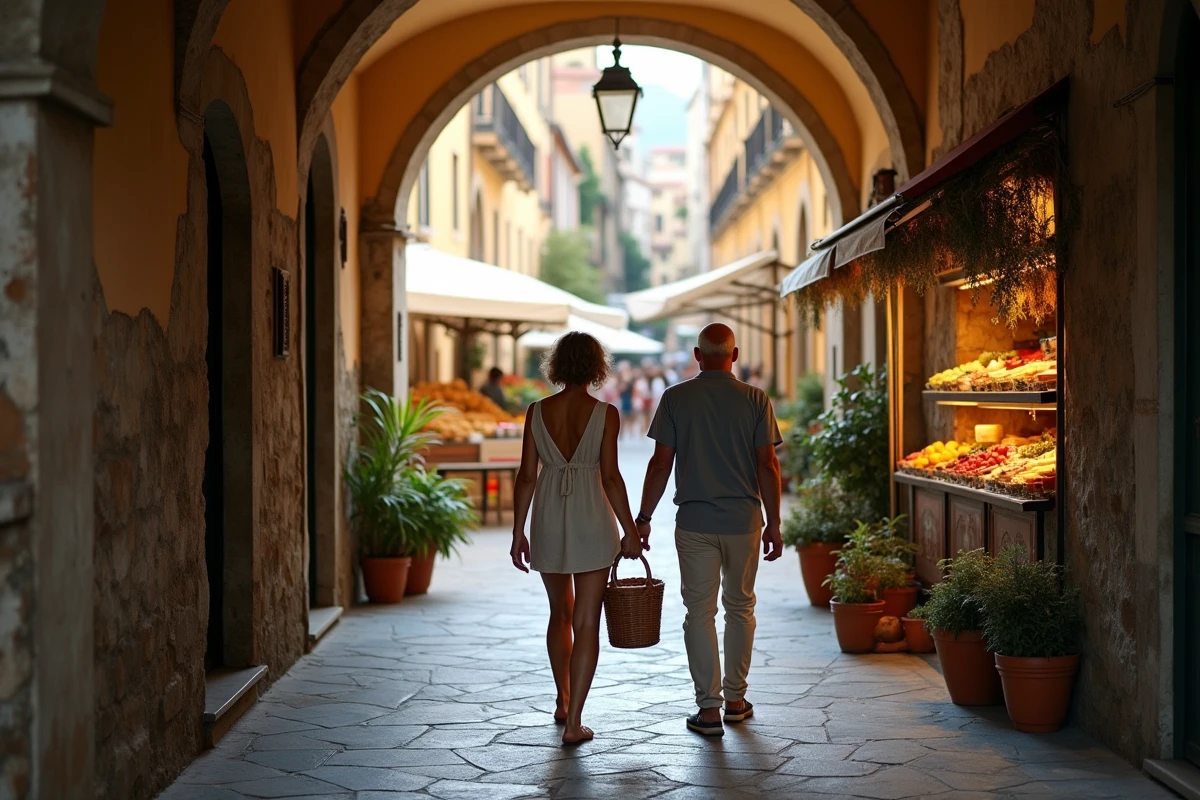
Organic and zero waste stalls: the trend shaping the market since 2024
Since 2024, organic and zero waste stands have multiplied at the Bordighera market. Several producers have adopted reusable packaging (canvas bags, returnable crates) and offer bulk sales for dried fruits, herbs, and legumes.
This evolution reflects a broader regional movement towards a circular economy in Liguria. Outdoor markets, historically generators of plastic waste, are becoming a testing ground for more sustainable practices.
For visitors, this means it’s better to come with their own bag. Some stalls no longer provide disposable packaging, and the transition can sometimes be abrupt for tourists accustomed to the plastic bags of supermarkets.
Good addresses around the Bordighera market: where to extend the visit
The market takes place along the streets near the city center, and the Argentine promenade begins just a few steps away. After morning shopping, several options allow visitors to stay in the Ligurian atmosphere without leaving Bordighera.
- The old town (Bordighera Alta) offers narrow streets and viewpoints over the coast, accessible on foot from the market in about ten minutes.
- The Pallanca exotic gardens gather a collection of cacti and tropical plants, an unexpected detour for a town on the Riviera.
- Seafront restaurants serve Ligurian specialties (focaccia, pesto, grilled fish) at generally more moderate prices than those in Sanremo.
Thursday morning remains the best time to combine market, lunch, and a stroll in the same day. The crowd decreases around noon, allowing time to wander among the remaining stalls before heading to the beach or the old town.
Bordighera does not seek to compete with the major tourist destinations of the Riviera. Its market serves as an anchor point to understand what Liguria truly produces, in a setting where local regulations and climatic constraints shape the offerings as much as tradition does.