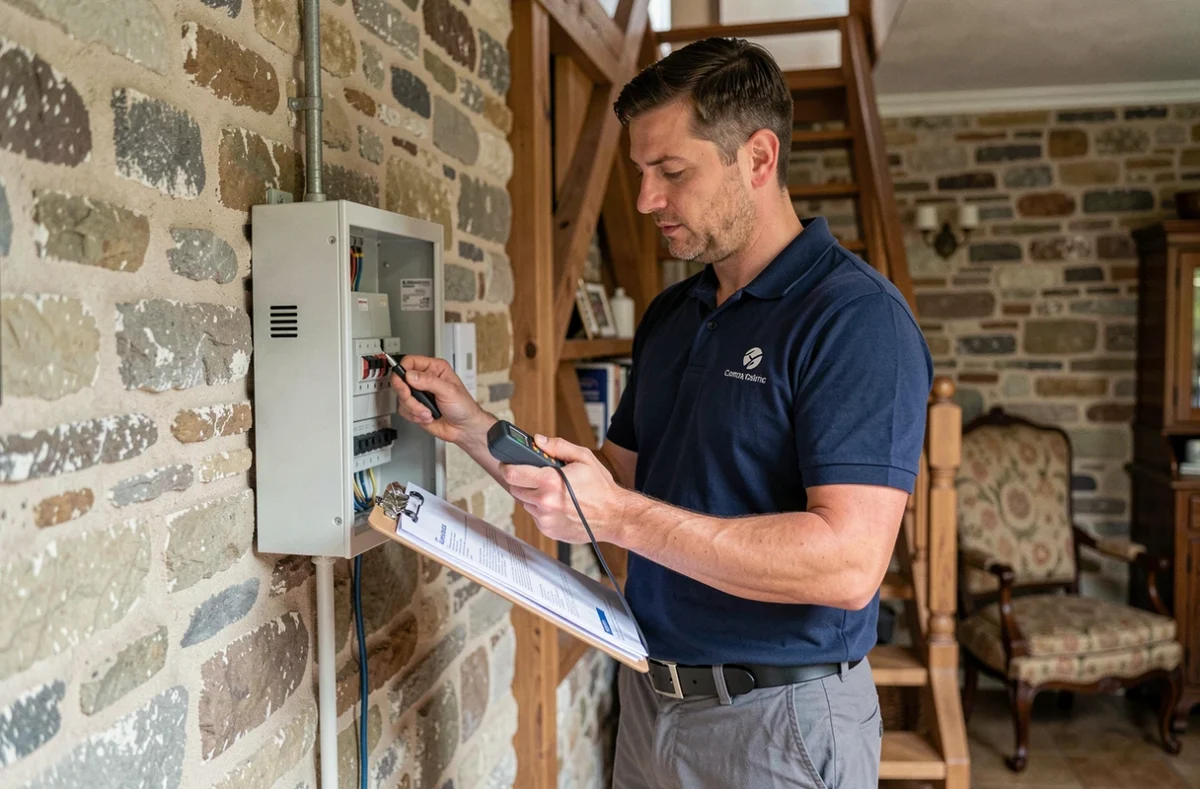
The technical diagnostics report (DDT) determines the legal validity of a real estate transaction in Rennes, whether for a sale or a rental. A missing or expired report at the time of signing can expose the seller to a claim for a price reduction, or even cancellation of the sale for fraud if the buyer proves that a defect was concealed. In a rental, a landlord who omits a mandatory report cannot disclaim liability for hidden defects relating to the property concerned.
Expired or missing diagnostics in Rennes: the real legal consequences
An energy performance certificate (DPE) that has expired by the date of the preliminary sale agreement is unenforceable. The notary may refuse to proceed until a valid report is provided. In practice, signing is postponed, weakening the negotiations.
For the asbestos report, the position is clearer: if the seller provides a survey carried out using an outdated methodology, the buyer is entitled to request a new report before committing. The same applies to the lead report (CREP): it is valid indefinitely only if the result is negative. A positive CREP that is more than one year old must be renewed for a sale.
Buyers and tenants have several practical options when a report is missing from the file, and professionals working in the Rennes area explain these scenarios at https://www.diag-immo-rennes.fr.
- Request the missing report in writing before waiving the conditions precedent, setting a reasonable deadline.
- Negotiate a specific warranty clause in the preliminary agreement, providing for a fixed compensation payment if the report reveals a defect after signing.
- Apply to the judicial court for vitiated consent if the seller knowingly omitted a mandatory report and the property presents a proven risk (asbestos, lead, termites).
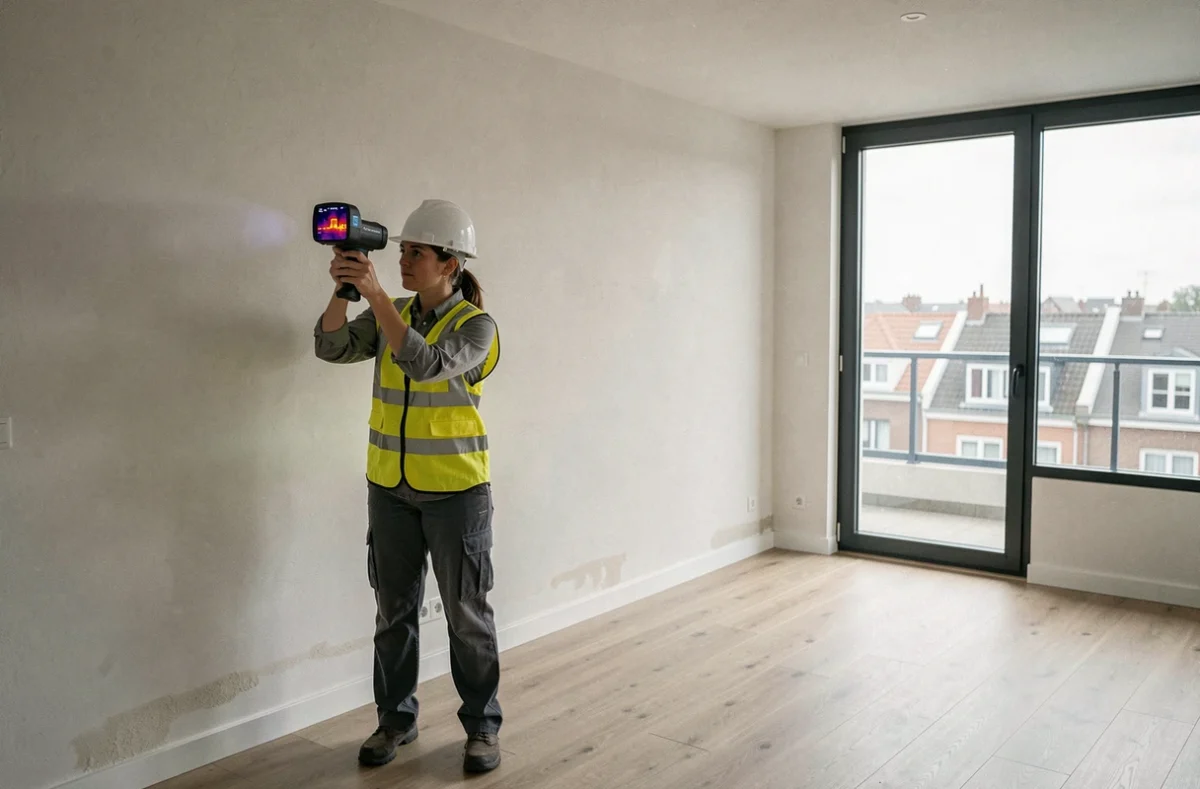
Property sales in Rennes: diagnostic requirements vary by neighborhood
Rennes is covered by a prefectural order concerning termites. Any property located in a designated area requires a termite report issued less than six months before the signing of the deed of sale. The southern neighborhoods and neighboring towns such as Saint-Jacques-de-la-Lande and Chantepie are included in the area. Sellers outside the designated area are not subject to this requirement, but the notary may request a report as a precaution.
The non-collective sanitation report applies to houses that are not connected to the Rennes Métropole network. If the report identifies non-compliance, the buyer has one year after the sale to carry out the required upgrades.
Specifics of collective DPEs in Rennes condominiums
Condominiums with more than fifty units and a shared heating system must have a collective DPE. This document does not replace the individual DPE for the unit being sold, but it gives the buyer information about the building’s overall energy performance. The absence of a collective DPE does not prevent the sale, but it deprives the buyer of a point of comparison for future energy costs.
Renting in Rennes: specific landlord obligations
The diagnostic file for a rental is more limited than for a sale, but the penalties for omissions remain severe. A DPE, a CREP (for homes built before 1949), and electrical and gas reports (for installations more than fifteen years old) are mandatory for all new leases.
Since the ban on renting out energy-inefficient homes came into effect, a home with a G rating on its DPE can no longer be offered under a new lease in Rennes. Homes rated F will be subject to the ban according to the national regulatory timetable. Tenants who find that their home does not meet this threshold can apply to the protection litigation judge to obtain compliance or a rent reduction.
Environmental risk report in Rennes Métropole
The environmental risk report (ERP) must be provided to the tenant before the lease is signed. In Rennes, it covers, in particular, the risk of flooding from the Vilaine and Ille rivers, as well as soil information areas (SIS) associated with former industrial activities in the South Station district.
The ERP is valid for six months. A report issued more than six months before the lease signing date must be updated, even if no new prefectural order has been published in the meantime.
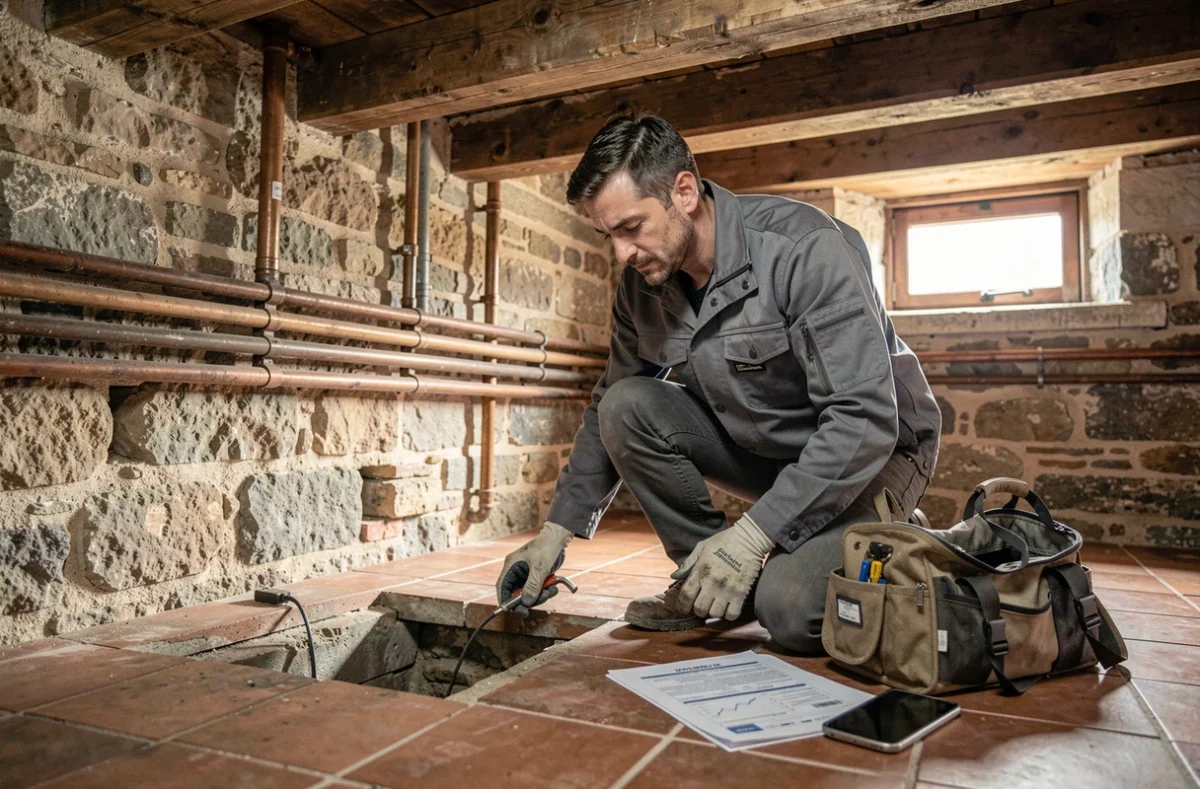
Checks the buyer can still request after signing the preliminary agreement
The period between the preliminary agreement and the deed of sale generally lasts two to three months. During this time, the buyer can make waiving the conditions precedent contingent on receiving complete, valid reports.
If a lead report reveals concentrations above the regulatory threshold, the buyer can request a quote for work to eliminate the exposure risk and renegotiate the price accordingly. The seller cannot refuse to provide this report without risking the sale being declared void.
An electrical report that identifies serious issues (no grounding, no residual-current circuit breaker) does not make the sale impossible, but an informed buyer can estimate the cost of bringing the installation up to code and factor it into their final offer. The same applies to the gas report, where an identified hazardous installation may justify a termination clause if the work is not completed before the final signing.
A complete, up-to-date diagnostic file remains the best way to protect both parties. In Rennes, the diversity of the housing stock (older buildings in the city center, 1970s houses, and recent developments in ZACs) means that the required combination of reports varies considerably from one property to another. Checking every expiry date before putting a property up for sale or rent avoids delays at the notary’s office and costly disputes.